Does Location Still Drive Value in Windermere, and Are Non-Lake Homes a Smart Buy?
Windermere’s market remains strong across all home types, not just waterfront properties. Learn how non-lake homes perform, why scarcity matters, and what late 2025 and early 2026 trends look like.
GENERAL REAL ESTATE
Eric Stalnaker
3/7/20261 min read
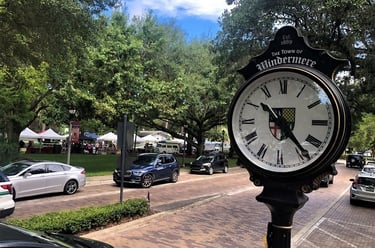
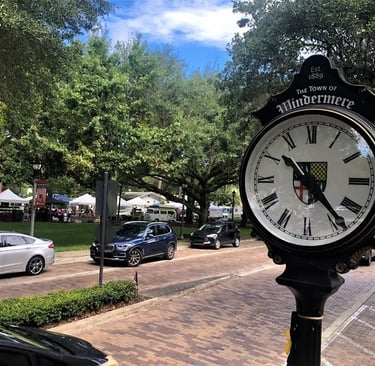
Windermere is a unique community here in Central Florida. It’s identity is tied to its lakes and waterfront property, but value isn’t limited just to the shoreline. Even non-lake homes perform well thanks to the area's school quality, limited development, and strong community preservation standards.
As of February 2026, interior-lot homes showed steady appreciation across neighborhoods branching from Park Avenue, Winter Garden–Vineland Road, and Sixth Avenue. Even in a Buyer's market where prices are reducing elsewhere, Windermere homes are still showing appreciation. Low turnover and continued demand has created stability across all segments, not just among luxury estates.
Windermere’s strength comes from intentional limits, making it a much sought after community. The town prioritizes preservation and has little remaining buildable land. That scarcity supports long-term value, regardless of whether a home sits on water.
A non-lake lot can be an excellent investment if it has the right fundamentals: a quiet street, proximity to top schools, modern or updated systems, and easy access to 535 or the Turnpike. Many older homes are entering improvement years, so properties with recent updates see stronger performance. In fact, homes with recent updates to kitchens and baths have shown more desire among buyers.
Early 2026 demand has already shown signs of steadiness. Job growth across tech, healthcare, and entertainment continues attracting buyers who want proximity to Dr. Phillips, Winter Garden, the attractions, and Orlando’s employment centers. These factors reinforce Windermere’s position as one of the most reliably appreciating markets in the region.
Bottom Line:
A non-lake home in Windermere can still be a smart long-term purchase. Strong demand, limited growth, and stable local factors support values across all sections of the market.
If you want help comparing Windermere neighborhoods or identifying high-potential non-lake properties, get in touch and I’ll build a clear plan with you. Or start your search at ericstalnaker.nexthomelott.com