
Should You Do a Final Walkthrough Before Closing? Here’s What to Look For
A final walkthrough protects buyers before closing. Learn why it matters and what to check to avoid surprises or repairs missed from the inspection report on move-in day.
BUYING A HOME
Eric Stalnaker
7/29/20252 min read

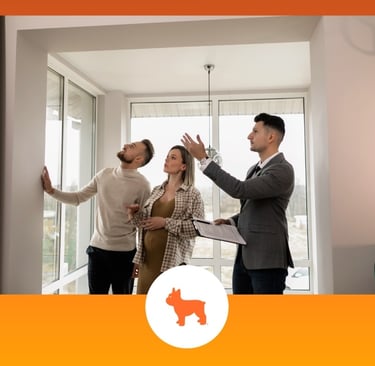
A final walkthrough is the last chance to confirm the home you’re buying is in the condition you agreed to purchase. It isn’t a formality. It’s a quality check, a confirmation step, and a quiet insurance policy against expensive surprises. Skipping it is like submitting a homework assignment without checking if your name is even on it.
Here’s why it matters and what you should look for when you do it.
Why a Final Walkthrough Is Essential
The walkthrough ensures three things:
The home is in the same condition as when you wrote the contract.
Agreed-upon repairs were completed correctly.
No new issues popped up during the seller’s move-out.
You aren’t re-inspecting the property. You’re verifying that the seller upheld their obligations and that the home is ready for occupancy.
When to Schedule It
Most buyers complete the walkthrough within 24 hours of closing. The closer you do it to the final signing, the lower the chance of discovering something after it’s too late to address.
What to Look For
Move slowly. Open things. Test things. Think of it less like a tour and more like reviewing a classroom project with a checklist in hand.
Key items to confirm:
Repairs
Were all negotiated repairs completed?
Can the seller provide receipts or proof of licensed work if required?
Do the repairs look professional and functional?
Systems and Appliances
Run the HVAC to make sure heating and cooling work.
Test all appliances, including stove burners, dishwasher cycles, refrigerator temperature, microwave, and washer/dryer if included.
Verify water pressure in sinks, showers, and tubs.
Plumbing and Electrical
Flush toilets.
Check for leaks under sinks.
Test all lights, fans, and switches.
Confirm garage doors and remotes operate.
General Condition
Look for new damage: dings in walls, broken windows, damaged flooring, or anything caused during move-out.
Confirm the home is completely empty unless items were included in the contract.
Inspect the yard and exterior for any visible changes.
Safety Items
Make sure smoke detectors work.
Check that all keys, remotes, access cards, and gate codes are provided.
Why This Step Protects You
If something isn’t right, your agent can address it with the seller before closing. After you sign, the leverage shifts. A missing appliance, new roof leak, or half-done repair becomes your problem. The walkthrough gives you a chance to prevent that.
Bottom Line
A final walkthrough isn’t optional. It’s your last safeguard against unexpected costs, missing items, overlooked repairs, or post-move chaos.
If you want a clear, step-by-step walkthrough checklist or support on what to look for during your final walkthrough, reach out. I’ll guide you through it so your closing day starts with confidence, not surprises.